
Psychotherapy Services for Emotional Well-Being
WHAT IS PSYCHOTHERAPY?
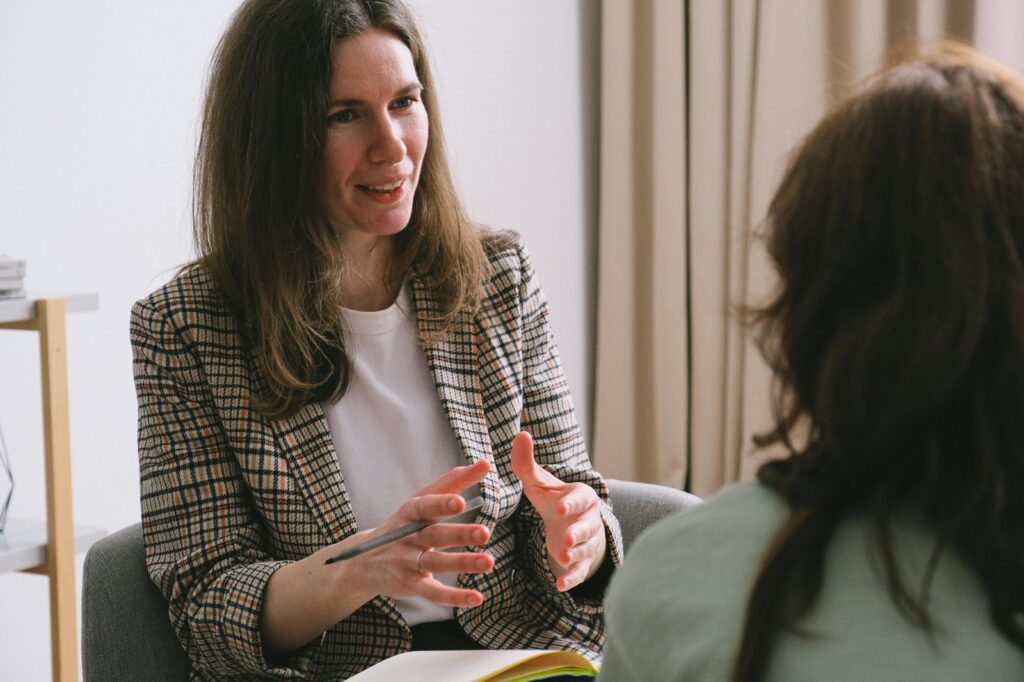
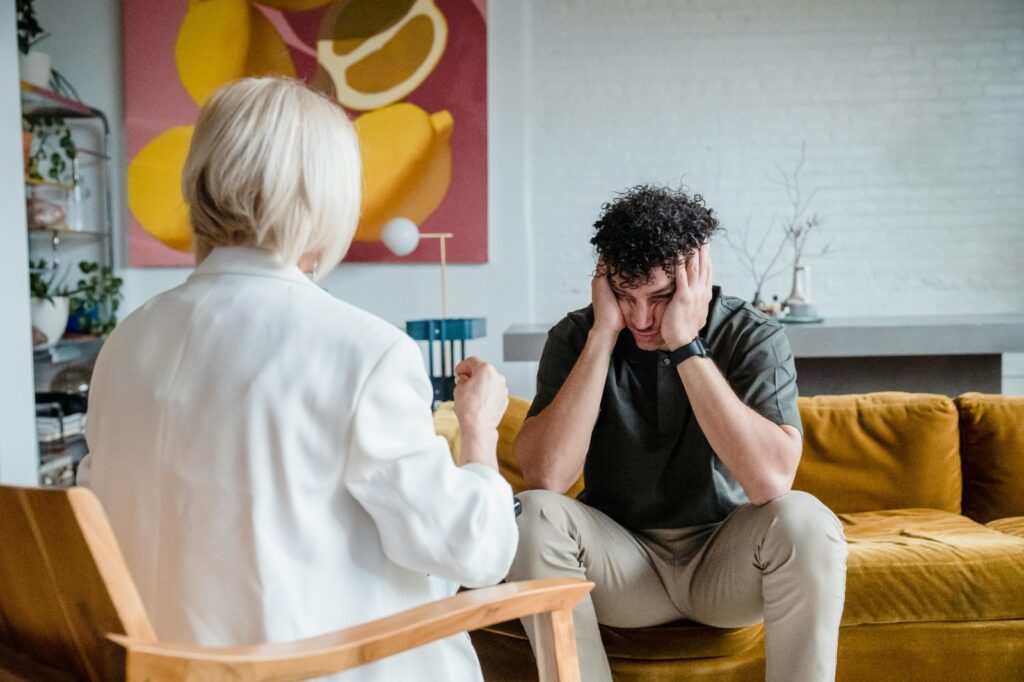
Psychotherapy is a structured, professional conversation between a trained mental-health professional and a person seeking help.
Unlike casual advice, psychotherapy follows well-researched psychological principles to help people understand their thoughts, emotions, behaviours, and relationships—and to change what is causing distress.
Modern psychotherapy is not just talking about problems. It is an active, goal-oriented process that helps you:
- Reduce emotional suffering
- Develop healthier coping skills
- Improve relationships and daily functioning
- Build long-term emotional resilience
HOW MODERN PSYCHOTHERAPY IS DIFFERENT FROM OLD-STYLE “TALK THERAPY”
In the past, therapy was often long, unstructured, and vague. Modern psychotherapy has evolved significantly.
Modern psychotherapy is:
- Evidence-based – backed by scientific research
- Goal-focused – clear aims are set together
- Collaborative – therapist and patient work as a team
- Time-structured – sessions follow a clear plan
- Tailored – adapted to age, culture, personality, and diagnosis
You are not judged, analysed, or told what to do. Instead, you are guided to understand yourself better and make meaningful changes.
WHO CAN BENEFIT FROM PSYCHOTHERAPY?
Psychotherapy helps people across all age groups, from children to older adults.
It is effective for:
- Depression and low mood
- Anxiety disorders and panic
- Stress-related problems
Trauma and grief - Relationship and family conflicts
- Child and adolescent emotional or behavioural issues
- Adjustment difficulties
- Personality and emotional regulation difficulties
Psychosomatic symptoms (physical symptoms linked to emotional stress)
Therapy is also helpful even when there is no formal diagnosis, for people who want better emotional balance, clarity, and personal growth.


COMMON TYPES OF PSYCHOTHERAPY USED TODAY
Modern clinics use different therapeutic approaches, chosen based on the individual’s needs.
Cognitive-Based Therapies
These focus on identifying and changing unhelpful thought patterns that affect emotions and behavior.
Helpful for:
- Depression
- Anxiety
- Stress management
- Obsessive thinking
Behavioral Therapies
These focus on changing actions and habits, especially when avoidance, fear, or impulsivity is present.
Helpful for:
- Phobias
- Panic symptoms
- Behavioral difficulties in children
- Habit disorders
Emotion-Focused Therapies
These help individuals understand, process, and regulate emotions rather than suppressing them.
Helpful for:
- Emotional overwhelm
- Relationship difficulties
- Trauma responses
Insight-Oriented Therapies
These explore deeper emotional patterns, past experiences, and relationships that shape current difficulties.
Helpful for:
- Long-standing emotional struggles
- Personality-related difficulties
- Repeated relationship problems
Family and Couple Therapy
These focus on communication patterns and relationship dynamics, not blaming individuals.
Helpful for:
- Marital conflict
- Parenting challenges
- Child behavioral problems
- Family stress

WHAT HAPPENS IN A PSYCHOTHERAPY SESSION?
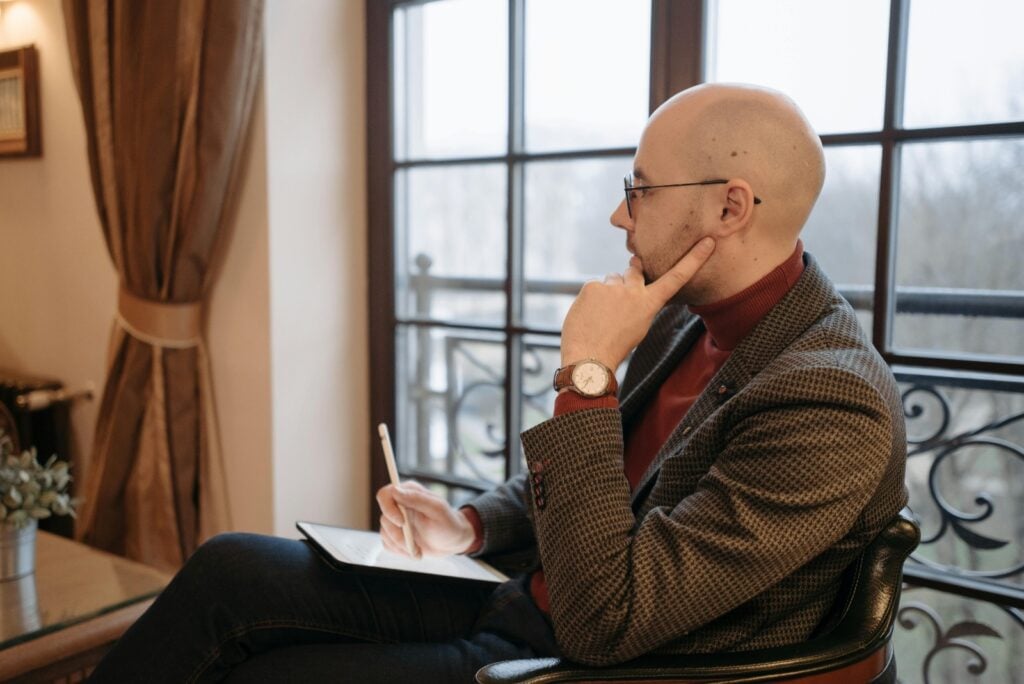
A typical session lasts 45–60 minutes and takes place in a private, confidential setting.
Early sessions focus on:
- Understanding your concerns
- Clarifying goals
- Building trust and comfort
- Explaining the therapy approach
Ongoing sessions may include:
- Talking through thoughts and emotions
- Learning coping strategies
- Practicing new skills
- Reflecting on real-life situations
- Gradually making behavioral changes
There is no pressure to share everything at once. Therapy moves at a pace that feels safe and respectful.
IS PSYCHOTHERAPY ONLY FOR “SERIOUS” MENTAL ILLNESS?
No. This is a common myth.
People seek psychotherapy for:
- Feeling overwhelmed
- Relationship stress
- Work pressure
- Parenting challenges
- Life transitions
- Self-confidence issues
Seeking therapy is a sign of strength and self-awareness, not weakness.


CONFIDENTIALITY AND SAFETY
Psychotherapy sessions are strictly confidential. Your privacy is protected by professional and ethical standards. Information is shared only:
- With your consent, or
- When legally required for safety reasons
This safe space allows honest and meaningful conversations to happen.
HOW LONG DOES PSYCHOTHERAPY TAKE?
There is no one-size-fits-all duration.
- Some people benefit from short-term therapy (6–12 sessions)
- Others may need longer-term support
Progress depends on:
- The nature of the problem
Personal goals - Regular attendance
- Willingness to practice skills between sessions
Your therapist will regularly review progress with you.

PSYCHOTHERAPY AT AL SOOR SPECIALIST CLINIC
At Al Soor Specialist Clinic, psychotherapy is:
- Delivered by qualified, experienced professionals
- Culturally sensitive and respectful
- Adapted for children, adolescents, adults, and families
- Integrated with psychiatric and multidisciplinary care when needed
Our approach focuses on healing, understanding, and empowerment, not labels or judgment.
SUPPORT IS AVAILABLE—AND CHANGE IS POSSIBLE
Modern psychotherapy is a powerful, practical, and compassionate tool for improving mental health. It helps people not only reduce symptoms, but also understand themselves, strengthen relationships, and build emotional resilience.
If emotional distress is affecting your quality of life, psychotherapy can be a meaningful first step toward recovery and well-being.
Frequently Asked Questions
What is psychotherapy and how does it work at Al Soor Specialist Clinic?
Psychotherapy is a structured, evidence-based form of treatment in which a trained therapist works collaboratively with a patient to explore thoughts, emotions, behaviors, and experiences that contribute to psychological distress. At Al Soor, our therapists tailor the approach to each individual, drawing on recognized modalities such as psychodynamic therapy, supportive therapy, and integrative techniques. Sessions provide a safe, confidential space to process difficulties and develop healthier patterns of thinking and behavior.
Do I need a formal diagnosis before starting psychotherapy at Al Soor?
No. A formal diagnosis is not required to begin psychotherapy. Many people seek therapy to address stress, relationship difficulties, grief, or general emotional challenges without a clinical diagnosis. Your therapist will conduct an assessment during the first session to understand your concerns and design a personalized plan. If a formal diagnosis is relevant, it will be discussed with you as part of the process.
How many psychotherapy sessions will I need at Al Soor?
The number of sessions varies depending on the nature of the difficulty, the therapeutic approach being used, and the individual’s goals. Brief interventions may span 6 to 12 sessions, while longer-term therapeutic work is recommended for more complex presentations. Your therapist will discuss expectations during your first appointment and review goals collaboratively throughout the course of treatment to ensure you are making meaningful progress.
Can I attend psychotherapy sessions while also taking psychiatric medication?
Yes. Combined treatment using both psychotherapy and psychiatric medication is often the most effective approach for conditions such as moderate to severe depression, anxiety disorders, OCD, and Bipolar Disorder. At Al Soor, our psychiatrists and therapists work closely together, allowing for coordinated care plans that integrate both medication management and therapeutic work in a way that maximizes long-term outcomes.
Take the First Step Toward Better Mental Well-Being
Are you ready to feel better, cope more effectively, and regain balance in your life through psychotherapy?
Our experienced clinical psychologists offer compassionate support, practical guidance, and professional expertise to help you overcome emotional and psychological challenges.
Call +971 6 551 2913 to schedule your appointment at Al Soor Specialist Clinic.