
Psychiatric Social Work Services
Mental health care is most effective when it goes beyond diagnosis and medication. Recovery does not happen in isolation – it occurs within families, schools, workplaces, and communities. This is where Psychiatric Social Work plays a crucial role.
Psychiatric Social Workers are highly trained mental health professionals who bridge the gap between clinical treatment and real-world recovery. They help individuals and families manage emotional distress, mental illness, and psychosocial challenges through a holistic, person-centred approach. By addressing the biological, psychological, and social dimensions of mental health, they ensure that treatment is both meaningful and sustainable.
What Is Psychiatric Social Work?
Psychiatric Social Work is a specialized branch of social work focused on supporting individuals, families, and communities affected by mental illness, emotional difficulties, and social stressors.
Unlike approaches that focus only on symptoms, Psychiatric Social Work follows a “whole person” model of care. This means understanding how mental health is influenced by:
- Family relationships
- Work and academic pressures
- Financial stress
- Cultural and religious beliefs
- Social isolation
- Stigma and discrimination
- Housing and environmental stability
Mental health conditions rarely exist in isolation. Social conflicts, caregiver burnout, unemployment, trauma, or grief often worsen symptoms or delay recovery. Psychiatric Social Workers assess and address these underlying factors so that treatment becomes more effective and long-lasting.
They work as part of a multidisciplinary team alongside psychiatrists, psychologists, nurses, occupational therapists, and speech therapists to provide coordinated, integrated care.
By strengthening support systems and improving coping strategies, they enhance overall treatment outcomes and improve daily functioning.


PSYCHOSOCIAL ASSESSMENT
A core responsibility of a Psychiatric Social Workers is conducting a comprehensive psychosocial assessment. This structured evaluation explores how various biological, psychological, and social factors influence a person’s mental health.
Areas typically assessed include:
- Family structure and relationships
- Social support systems
- Educational and occupational functioning
- Financial and housing stability
- Cultural and religious influences
- Recent stressors, trauma, or losses
Using evidence-based frameworks such as cognitive-behavioural, psychodynamic, systems, and sociological theories, social workers identify factors that may be contributing to or maintaining distress.
This assessment ensures that the treatment plan is individualized, realistic, and relevant to the patient’s actual life circumstances.
CLINICAL INTERVENTION AND PSYCHOTHERAPY
Psychiatric Social Workers provide structured, evidence-based psychological interventions, including:
Individual Psychotherapy
- Cognitive Behavior Therapy (CBT)
- Dialectical Behavior Therapy (DBT)
- Supportive therapy
- Trauma-informed interventions
These therapies help individuals build emotional regulation skills, challenge unhelpful thought patterns, and improve resilience.


Family Therapy
Family Therapy is an important service provided by a Psychiatric Social Worker in a mental health clinic. When one family member struggles with depression, anxiety, addiction, behavioural problems, or any other mental health condition, the entire family is affected. Family therapy focuses on improving communication, understanding roles, and reducing conflict within the home.
During sessions, the Psychiatric Social Worker helps family members express their thoughts and feelings in a safe and respectful way. They also teach practical skills such as active listening, problem-solving, and healthy boundaries. Family therapy can be helpful for children with behavioural issues, teenagers with emotional difficulties, adults with mood disorders, and families coping with trauma or chronic illness.
The goal is not to blame anyone, but to strengthen relationships and build a supportive environment that promotes recovery. Strong family support plays a major role in long-term mental health and emotional well-being.
Couples Therapy
Couples Therapy is a specialized mental health service offered by a Psychiatric Social Worker to help partners improve their relationship. Many couples face challenges such as communication problems, trust issues, frequent arguments, emotional distance, or stress related to parenting, finances, or work. Couples therapy provides a structured and supportive space to address these concerns.
In therapy sessions, the Psychiatric Social Worker guides partners in understanding each other’s feelings, expectations, and patterns of interaction. They teach effective communication skills, conflict resolution techniques, and ways to rebuild trust and emotional connection. Couples therapy can also support partners dealing with mental health conditions such as depression, anxiety, or substance use that may affect the relationship.
The aim is to strengthen the relationship, improve mutual respect, and create a healthier partnership. Healthy relationships are closely linked to better mental health and overall life satisfaction.
Group Therapy
Group therapy is an important part of Psychiatric Social Work practice. Psychiatric Social Workers facilitate structured group sessions where individuals facing similar mental health challenges come together in a safe, confidential, and professionally guided environment.
These groups may focus on anxiety, depression, caregiver stress, adolescent issues, or social skills development.
Group therapy reduces isolation by helping participants realize they are not alone in their struggles. Through guided discussions, role-plays, and skill-building exercises, members learn healthier coping strategies, emotional regulation techniques, and effective communication skills. Observing others’ experiences also promotes insight, empathy, and mutual support.
Crisis Intervention
During psychiatric emergencies, they provide immediate support to ensure safety, emotional stabilization, and coordination of care.

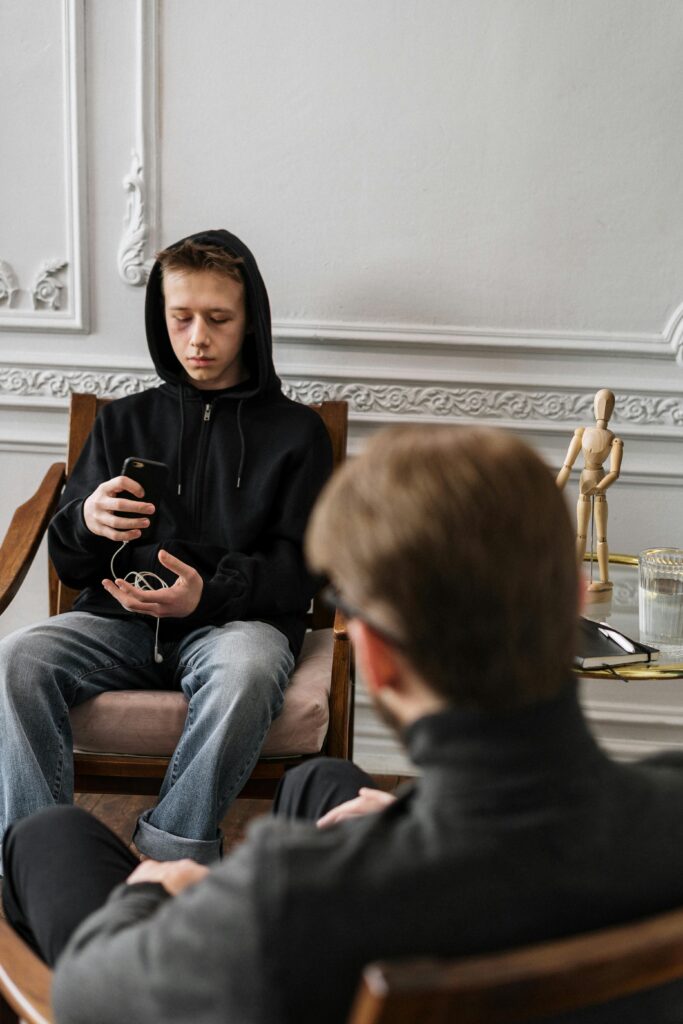
Role in Child and Adolescent Mental Health
In child and adolescent psychiatry, Psychiatric Social Workers bring a “person-in-environment” perspective. Children do not exist in isolation; they are influenced by family, school, and community systems.
They assess:
- Parenting styles and family dynamics
- School-related stress
- Peer relationships
- Social media and digital exposure
- Cultural influences
- Socioeconomic stressors
Modern challenges such as cyberbullying, academic pressure, and digital identity concerns require a nuanced understanding of adolescent development.
Psychiatric Social Workers collaborate with schools to advocate for academic accommodations and supportive learning environments. They ensure that progress made in therapy is reinforced at home and in school settings.
ETHICAL AND CULTURALLY SENSITIVE PRACTICE
Ethics and cultural awareness are foundational to Psychiatric Social Work.
In the course of their professional outreach, a Psychiatric Social Worker ensures –
- Respect for religious and cultural values
- Adapting interventions to align with belief systems
- Maintenance of confidentiality and professional boundaries
- That informed consent is obtained
- Protection of patient autonomy
By understanding how culture shapes the meaning of illness, they tailor treatment approaches to make care both clinically effective and culturally meaningful.


COLLABORATIVE CARE AND COMMUNITY INTEGRATION
Psychiatric Social Work serves as a bridge between hospital-based treatment and real-world living.
They coordinate with:
- Psychiatrists and psychologists
- Occupational and speech therapists
- Schools and educational institutions – teachers, school counsellors, special educators
- Community organizations
- Family members
This 360-degree support network ensures continuity of care and prevents gaps in treatment.
REHABILITATION AND LONG-TERM RECOVERY
For individuals with severe mental illness, recovery involves more than symptom control. It requires restoring functional independence and social inclusion.
Psychiatric Social Workers adopt a Recovery-Oriented Practice, focusing on structured interventions such as:
- Cognitive Remediation
Improving memory, attention, and executive functioning to support daily life and employment.
- Individual Placement and Support (IPS)
A supported employment model that helps individuals find competitive jobs quickly while receiving ongoing support.
- Social Skills Training (SST)
Enhancing interpersonal communication through structured practice and reinforcement.
- Community-Based Rehabilitation (CBR)
Shifting care into the individual’s natural environment to improve quality of life and reduce stigma.
These interventions ensure that recovery is not merely clinical stabilization, but a meaningful return to productive and connected living.


COORDINATION OF CARE
Mental health treatment often involves multiple professionals. Psychiatric Social Workers act as case managers to:
- Coordinate between providers
- Monitor follow-up appointments
- Ensure treatment adherence
- Link patients to community resources
- Prevent service gaps
Effective coordination improves outcomes and reduces relapse risk.
PROMOTING MENTAL HEALTH AWARENESS
Psychiatric Social Workers actively work within communities to:
- Challenge myths and misconceptions
- Encourage open dialogue
- Support families experiencing shame or fear
- Promote community awareness and educate the public about mental health
Reducing stigma helps individuals seek care earlier and engage more confidently in treatment.

CONCLUSION: THE BRIDGE BETWEEN TREATMENT AND REAL LIFE
Psychiatric Social Work is an essential pillar of modern mental health care. By integrating clinical expertise with social and psychological understanding, Psychiatric Social Workers transform treatment into sustainable recovery.
Their work extends beyond therapy sessions and hospital walls. They support families, coordinate care, advocate for rights, reduce stigma, and strengthen communities.
Most importantly, they recognize that recovery is not just about symptom reduction — it is about helping individuals live meaningful, connected, and fulfilling lives.
Frequently Asked Questions
Do I need a referral to see a psychiatric social worker at Al Soor?
No referral is required. You can book directly by calling +971 6 551 2913, sending a WhatsApp message, or completing our online contact form. If you are already receiving care from one of our psychiatrists or psychologists, your clinical team may also recommend a psychiatric social work referral as part of your coordinated treatment plan.
When should I consider seeing a psychiatric social worker?
A psychiatric social worker is particularly helpful when mental health challenges are connected to life circumstances such as family conflict, social exclusion, workplace difficulties, domestic stress, or crisis situations. If you or a loved one is struggling not just emotionally but also in managing daily social responsibilities, a psychiatric social worker can offer structured guidance alongside the clinical care provided by our psychiatrists and psychologists.
Is psychiatric social work covered by insurance?
Coverage varies depending on your insurance plan and provider. Al Soor Specialist Clinic is affiliated with several insurance networks in the UAE. Please contact our reception team on +971 6 551 2913 or visit our Insurance page to verify whether your plan includes psychiatric social work sessions before booking your appointment.
How does the psychiatric social worker work with the rest of the clinical team at Al Soor?
Psychiatric social workers at Al Soor are an integrated part of our multidisciplinary team alongside psychiatrists, clinical psychologists, occupational therapists, and speech therapists. They participate in care planning by contributing insights on the patient’s social environment and family situation. This collaboration ensures that treatment addresses not only clinical symptoms but also the broader life factors that shape a patient’s recovery and long-term mental wellness.
Is psychiatric social work suitable for children and adolescents?
Yes. Psychiatric social workers at Al Soor work with children and adolescents whose mental health is being affected by school difficulties, peer relationships, family conflict, or trauma. They work closely with our Child Guidance Clinic team and, where appropriate, liaise with schools and other institutions to coordinate support that addresses the young person’s full social and developmental environment.
Take the First Step Toward Better Mental Well-Being
Do you feelthat Family Therapy, Couples Therapy, Group Therapy, or Individual Psychotherapy could help improve your mental health and overall well-being?
Do you feel that parental skills training, or a professional outreach to the school, can help your child?
Our experienced Psychiatric Social Worker offers compassionate support, practical guidance, and professional expertise to help you overcome emotional and psychological challenges.
Call +971 6 551 2913 to schedule your appointment at Al Soor Specialist Clinic.